

Sustainability Progress and Governance
2030 Sustainability Goals and Targets
On track and progressing steadily
Progressing well
Progress exceeds expectations
Building Energy Intensity
2030 Target:
45% reduction in carbon emissions by 2030
2025 Performance:
All the business divisions were
able to meet their respective
energy intensity targets for
2025, except for the Leisure
division.
Renewable Energy
2030 Target:
At least 40% of electricity from renewable energy sources by 2030
2025 Performance:
(5%) of renewable energy was consumed
14000
MWh
Diverted Waste
2030 Target:
40% of waste diverted from landfills by 2030
2025 Performance:
of waste diverted from landfills
0
%
Water Intensity
2030 Target:
Reduction of 10% in overall water intensity target for managed assets
2025 Performance:
decreased in overall water intensity of managed assets from 2015.
0
%
Municipal Water
Supply
Municipal Water Supply
2030 Target:
Reduce reliance on municipal water supply by up to 50% by 2030
2025 Performance:
of water supply from non-municipal sources
0
%
Uninterrupted Water
Supply
Uninterrupted Water Supply
2030 Target:
Achieve at least 5 days of uninterrupted water supply from the onset of water disruption event for all properties within KL/Selangor by 2030
2025 Performance:
located outside of Sunway City KL can sustain themselves for at least 5 days
0
out of 26
ISO 14001:2015 for Building Materials
2030 Target:
All industrial property sites to be ISO 14001:2015 (Environmental Management
Systems) certified by 2030
2025 Performance:
Building Materials sites maintained their ISO 14001:2015
0
out of 7
ISO 14001:2015 for Construction Sites
2030 Target:
All ongoing construction sites are ISO 14001:2015 (Environmental Management
Systems) compliant
2025 Performance:
ongoing construction sites are ISO 14001:2015 compliant
0
Scope 3 Emissions
2030 Target:
Review and initiate disclosures of Scope 3 emissions
2025 Performance:
Scope 3 emissions categories have been disclosed
0
out of 15
Supplier Disclosure
2030 Target:
All suppliers to disclose in accordance with ESG standards and framework
2025 Performance:
Simplified ESG Disclosure Guide SEDG
is being integrated into Supplier Risk Assessment
Fatality Rate
2030 Target:
Stay below 1.46 fatalities per 100,000 workers by 2030
2025 Performance:
A
zero
fatality rate maintained
Occupational
Accident Rate
2030 Target:
Reduce occupational accident rate to 0.95 for every 1,000 workers by 2023
2025 Performance:
occupational accident rate for every 1,000 workers
0
ISO 45001:2018 Certification
2030 Target:
All business divisions are ISO 45001:2018 certified and achieve OHS culture – Level 4 and above by 2030
2025 Performance:
of the sites are ISO 45001:2018 certified
0
%
(33) of the sites achieved ‘Excellent’ in compliance
0
%
(30) of the sites achieved ‘Achieved’ in best practice
0
%
Learning &
Development Hours
2030 Target:
36 learning and development (L&D) hours per employee
2025 Performance:
learning hours per employee
0
Beneficiaries
2030 Target:
Support over 2 million beneficiaries from 2015 to 2030
2025 Performance:
beneficiaries in 2025
More than
80000
FTSE Russell
2030 Target:
Maintain the top 10% position of the Industry Classification Benchmark (Real Estate) Supersector
2025 Performance:
Achieved
of the Industry Classification Benchmark (Real Estate) Supersector
top
0
%
Sustainalytics
2030 Target:
Achieve and/or maintain low/negligible Sustainalytics ESG Risk Rating by 2030
2025 Performance:
Achieved
Low
ESG Risk Rating by Sustainalytics
Building Energy Intensity
2030 Target:
45% reduction in carbon emissions by 2030
2025 Performance:
All the business divisions were
able to meet their respective
energy intensity targets for
2025, except for the Leisure
division.
Renewable Energy
2030 Target:
At least 40% of electricity from renewable energy sources by 2030
2025 Performance:
(5%) of renewable energy was consumed
14000
MWh
Diverted Waste
2030 Target:
40% of waste diverted from landfills by 2030
2025 Performance:
of waste diverted from landfills
0
%
Water Intensity
2030 Target:
Reduction of 10% in overall water intensity target for managed assets
2025 Performance:
decreased in overall water intensity of managed assets from 2015.
0
%
Municipal Water
Supply
Municipal Water Supply
2030 Target:
Reduce reliance on municipal water supply by up to 50% by 2030
2025 Performance:
of water supply from non-municipal sources
0
%
Uninterrupted Water
Supply
Uninterrupted Water Supply
2030 Target:
Achieve at least 5 days of uninterrupted water supply from the onset of water disruption event for all properties within KL/Selangor by 2030
2025 Performance:
located outside of Sunway City KL can sustain themselves for at least 5 days
0
out of 26
ISO 14001:2015 for Building Materials
2030 Target:
All industrial property sites to be ISO 14001:2015 (Environmental Management
Systems) certified by 2030
2025 Performance:
Building Materials sites maintained their ISO 14001:2015
0
out of 7
ISO 14001:2015 for Construction Sites
2030 Target:
All ongoing construction sites are ISO 14001:2015 (Environmental Management
Systems) compliant
2025 Performance:
ongoing construction sites are ISO 14001:2015 compliant
0
Scope 3 Emissions
2030 Target:
Review and initiate disclosures of Scope 3 emissions
2024 Performance:
Scope 3 emissions categories have been disclosed
0
out of 15
Supplier Disclosure
2030 Target:
All suppliers to disclose in accordance with ESG standards and framework
2024 Performance:
Simplified ESG Disclosure Guide (SEDG)
is being integrated into Supplier Risk Assessment
Fatality Rate
2030 Target:
Stay below 1.46 fatalities per 100,000 workers by 2030
2025 Performance:
A
zero
fatality rate maintained
Occupational
Accident Rate
2030 Target:
Reduce occupational accident rate to 0.95 for every 1,000 workers by 2023
2025 Performance:
occupational accident rate for every 1,000 workers
0
ISO 45001:2018 Certification
2030 Target:
All business divisions are ISO 45001:2018 certified and achieve OHS culture – Level 4 and above by 2030
2025 Performance:
of the sites are ISO 45001:2018 certified
0
%
(33) of the sites achieved ‘Excellent’ in compliance
0
%
(30) of the sites achieved ‘Achieved’ in best practice
0
%
Learning &
Development Hours
2030 Target:
36 learning and development (L&D) hours per employee
2025 Performance:
learning hours per employee
0
Beneficiaries
2030 Target:
Support over 2 million beneficiaries from 2015 to 2030
2025 Performance:
beneficiaries in 2025
More than
80000
FTSE Russell
2030 Target:
Maintain the top 10% position of the Industry Classification Benchmark (Real Estate) Supersector
2025 Performance:
Achieved
of the Industry Classification Benchmark (Real Estate) Supersector
top
0
%
Sustainalytics
2030 Target:
Achieve and/or maintain low/negligible Sustainalytics ESG Risk Rating by 2030
2025 Performance:
Achieved
Low
ESG Risk Rating by Sustainalytics
ESG Benchmark
To achieve our 2030 Sustainability Goals and Targets, we benchmark and align our business practices, objectives, plans and targets with global goals, international and national reporting frameworks, as well as ESG rating tools.
Global Goals
- Intergovernmental Panel on Climate Change (IPCC)
- Planetary Health
- UN Sustainable Development Goals (UN-SDGs)
Rating Tools
- Carbon Disclosure Project (CDP)
- Morgan Stanley Capital International (MSCI) ESG Ratings
- Financial Times Stock Exchange (FTSE) Russell ESG Ratings
- Malaysian Rating Corporation Berhad (MARC)
- S&P Global ESG Ratings
- Sustainalytics
Reporting Frameworks (Local)
- Bursa Malaysia’s Main Market Listing Requirements on Sustainability Reporting
- National Sustainability Reporting Framework (NSRF)
- Malaysian Code on Corporate Governance (MCCG) of the
- Securities Commission Malaysia
- Sustainable and Responsible Investment (SRI) of the Securities Commission Malaysia
Reporting Frameworks (Global)
- Global Reporting Initiative (GRI) Standards 2021
- Sustainability Accounting Standards Board (SASB)
- International Integrated Reporting Council (IIRC)
- International Financial Reporting Standards (IFRS)
- Sustainability Disclosure Standards®
- IFRS S1 General Requirements for Disclosure of Sustainability-related Financial Information
- IFRS S2 Climate-related Disclosures
- Taskforce on Nature-related Financial Disclosures (TNFD)
- Value Reporting Foundation
- World Economic Forum International Business Council (WEF-IBC)
Sustainability Governance Structure
At Sunway, the Board Sustainability Committee (BSC) has oversight of matters related to sustainability and climate change, with ultimate responsibility for the Group’s sustainability progress.
Board of Directors
The Board guides the Company and its subsidiaries by providing strategic direction, ensuring alignment with the Company’s goals, core values, and governance standards, while overseeing management to ensure the business operates with integrity and complies with all applicable laws and regulations.
Board Sustainability Committee (BSC)
The BSC convenes at least twice a year to review, supervise, and make recommendations to the Board on the Company’s sustainability strategy, key ESG matters, targets, performance, and progress.

Datuk Mohd Anuar
bin Taib

Datuk Tong
Poh Keow

Datin Paduka Sarena
Cheah Yean Tih
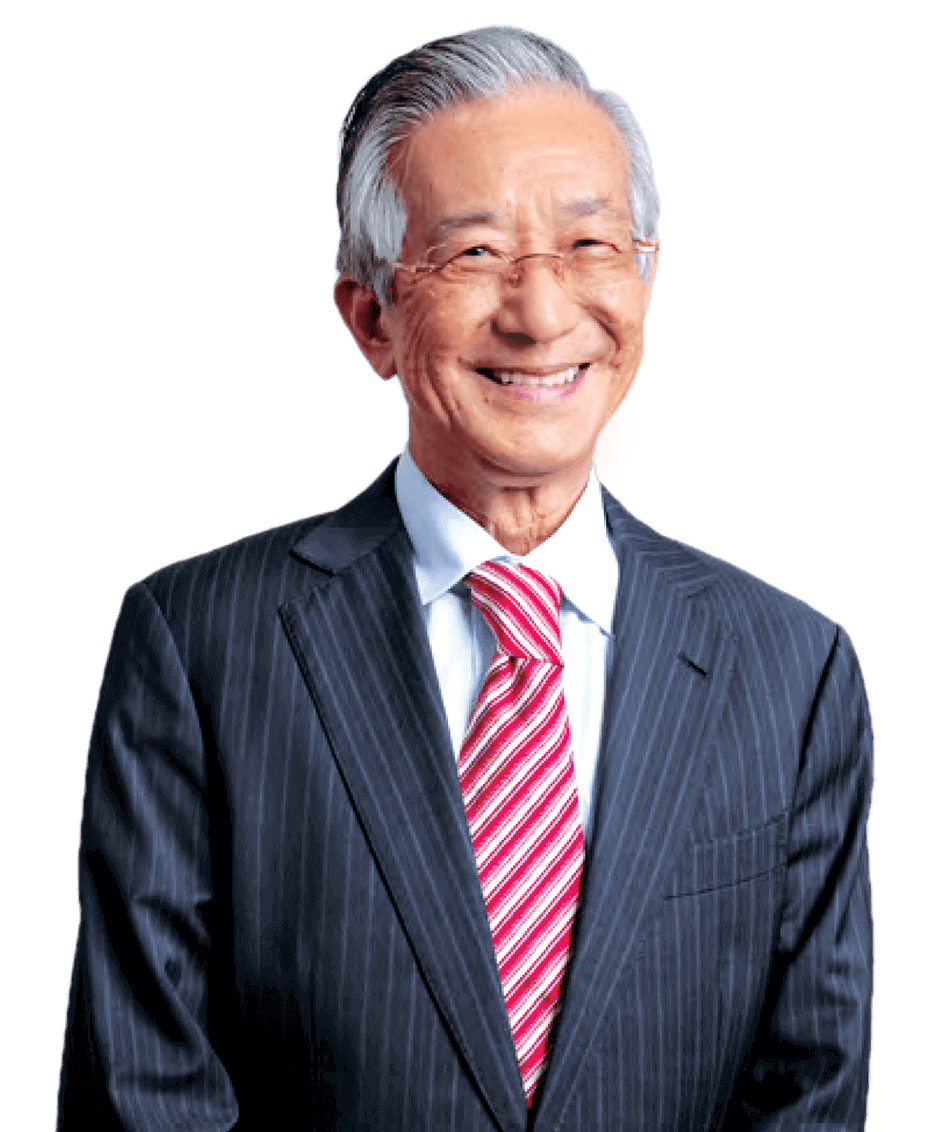
Dr. Philip
Yeo Liat Kok

The Jeffrey Sachs Center on Sustainable Development (JSC)
The Jeffrey Sachs Center on Sustainable Development (JSC) at Sunway University serves as an advisory panel to the BSC, providing research-based insights and academic expertise to support informed decision-making.
Group Sustainability Department (GS)
The GS Department drives sustainability integration across the Company by managing ESG disclosures, developing recommendations and action plans, monitoring key ESG developments, and supporting business divisions in achieving their sustainability KPIs.
IFRS S1 and S2 Working Committee
The IFRS S1 and S2 Working Committee, which was formally approved in April 2026, is responsible for the systematic evaluation of sustainability-related risks and opportunities, in close collaboration with the GS team.
Management Sustainability Committee (MSC)
(across all Business Divisions and Group Functions)
Management Sustainability Committee (MSC)
(across all Business Divisions and Group Functions)
The MSC comprises Business Division Heads and is responsible for ensuring that the Company’s sustainability strategy, including biodiversity management, and directions set by the BSC are effectively communicated and implemented across employees and business divisions.
Sustainability Awards & Accolades
We have earned various awards and recognitions for our sustainability efforts, enabling us to further advance our goals and move towards becoming Asia’s model corporate in sustainable development.